?
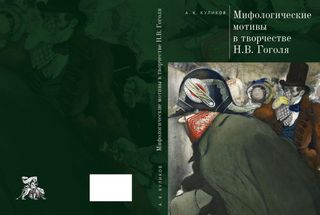
Мифологические мотивы в творчестве Н.В. Гоголя. Философский анализ
The monograph is devoted to the mythological motives of N. V. Gogol's work, which distinguish it from simple artistic fiction and make the writer's works not an allegorical representation of reality, but an Autonomous reality of myth-making. The methodological basis of the research is the classic philosophy of mythology – the fundamental works of F. V. Y. Schelling, E. kassirer, A. F. Losev, and others. The work defends the" tautorical " (according to Schelling) interpretation of Gogol's myth-making, which resists all attempts to find a realist and satirist in it; the problems of appearance, sculpture, fate, laughter, and apophaticism in Gogol's works are analyzed in detail. Special attention is paid to the key motif of childishness for mythcreation: Gogol's world is understood as the world seen with children's eyes. The work also attempts to link the works of Gogol with ancient philosophy (on the example of Heraclitus and Plato), which has not yet been separated from the myth and draws its inspiration from it: thus, it can be shown that the features of Gogol are not the oddities and quirks of his genius, but the constitutive features of a powerful layer of spiritual culture of entire peoples, namely mythology.