?
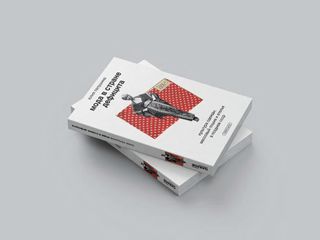
Мода в стране дефицита. Культура одежды, массовый пошив и ателье в позднем СССР
From the late 1950s until the late 1980s, the Soviet state undertook a unique experiment in the partial decentralization of the fashion system through the establishment of model houses in the regional centers of the Russian Soviet Federative Socialist Republic (RSFSR). These institutions made a decisive contribution to the democratization of fashion and facilitated the emergence of new professions within the fashion industry in the provinces, including fashion designers, art historians, and fashion models. Through case studies of the Perm House of Models under the RSFSR Ministry of Light Industry and the experimental workshop of the Perm Regional Administration of Household Services, the book examines how a fashion production system was developed from the ground up in a major industrial region, how it was integrated into the hierarchical structure of the Soviet fashion system, and which formal and informal mechanisms were employed to ensure its success. Drawing on interviews and archival documents, the book recounts who was responsible for creating clothing and how it was produced for grandmothers and mothers residing outside Moscow and Leningrad. Through the lens of fashion history, the book elucidates the evolution of Soviet society and demonstrates how the economy influenced the design of clothing manufactured in factories and ateliers. The author proposes a reevaluation of prevailing perceptions regarding the Soviet provinces and the economic structure of late Soviet society.