?
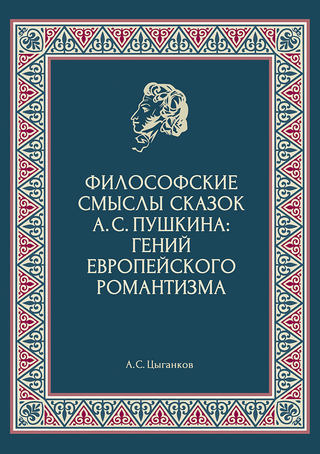
Философские смыслы сказок А. С. Пушкина: гений европейского романтизма
In the proposed textbook, which includes a mini-course of four lectures devoted to the philosophical and cultural understanding of the tales of Alexander Sergeevich Pushkin, the reader can find a general description of the main philosophical ideas of the era of romanticism in their relationship with the fairy-tale component of Pushkin's work, as well as a direct analysis of three later tales of the poet - " The Tale of the Dead Princess and the Seven Knights", " The Tale of the Fisherman and the Fish" and "The Tale of the Golden Cockerel". At the same time, the main attention is paid to identifying Pushkin's unique concept, revealing the philosophical and existential meaning of each fairy tale, which in a vivid way allows us to emphasize the author's nature of Pushkin's works, as well as their inclusion in the general European intellectual movement of the era of romanticism.
Along with the lecture course, the textbook also contains the author's translations of two fairy tales by the Brothers Grimm (“Snow White” and “The fisherman and his wife”), made according to the first edition of Grimm's collection of fairy tales, which was published in 1812.