?
Геокультурный брендинг арктических территорий (на примере моделирования базового географического образа тундры)
Гл. 18. С. 454–477.
The article is devoted to modelling of the basic geographical image of the tundra in the light of the geo-space resources of Yamal and Chukotka. The key archetypes, primary signs and symbols, and symbolic spots related to the basic geo-image of the tundra are identified. The image geographical model for the basic geo-image of the tundra is constructed.
In book
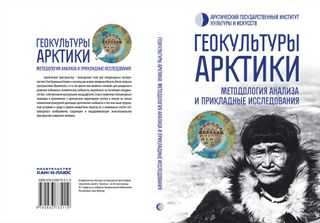
М.: Издательство «Канон+» РООИ «Реабилитация», 2017.
Novik N., Galimullin E. Z., Мировая экономика и международные отношения 2026 Т. 70 № 9 С. 100–112
The article offers a comparative analysis of the Transarctic Transport Corridor (TTC) and the International North–South Transport Corridor (INSTC) as elements of Russia’s evolving response to systemic shifts in the international order. Drawing on the theory of regional security complexes and the conceptual framework of connectivity, the study examines how both corridors function within a ...
Added: September 12, 2026
Strelnikova I., Kharina O., Россия и Америка в XXI веке 2026 № 1
В статье исследуется российско-индийское сотрудничество в Арктике в условиях геополитического соперничества и санкционного давления Запада. Цель работы – проанализировать стратегические интересы России и Индии, определить перспективы их взаимодействия в энергетике, инфраструктуре и транспортных коридорах, а также выявить основные вызовы. Выводы показывают, что сотрудничество обладает значительным потенциалом для экономического и технологического развития, однако его реализация осложняется ...
Added: August 15, 2026
Strelnikova I., Общество и экономика 2026 № 7-8 С. 154–173
Статья посвящена исследованию Трансарктического транспортного коридора (ТАТК) в логике транспортной экономики, международного права и геополитического измерения. На ос нове формально-юридического метода и методов системного анализа достигается цель настоящей статьи – дается комплексная и всесторонняя оценка Трансарктического транспортного коридора в контексте предпосылок его формирования, экономической, геополитической и стратегической значимости; показаны особенности его правового статуса и потенциала ...
Added: August 15, 2026
Мармилова Е. П., Арктика и Север 2026 № 63 С. 368–384
The aim of this article is to conduct a meta-analysis of foreign scientific publications in order to identify modern trends in the development of the creative economy and creative industries in the Arctic. The main method of the scientific research was a meta-analysis of the specialized literature. The analysis was carried out on the basis of two databases of peer-reviewed scientific publications — Scopus and Web of Science. These are the largest databases, which are ...
Added: June 17, 2026
Strelnikova I., Агафонов Д. И., Вестник международных организаций: образование, наука, новая экономика 2026 Т. 21 № 1 С. 67–91
Арктический регион, на протяжении более чем десяти лет занимая особое положение в дискурсе международно-политической науки, поэтапно приобретал различные и зачастую диаметрально противоположные образы на страницах как англо-, так и русскоязычных исследований. Длительное время своеобразным «барометром» состояния «исключительности» транснациональных отношений в регионе был Арктический совет – центральный межправительственный форум, призванный де-юре содействовать международному сотрудничеству и поддержанию ...
Added: June 14, 2026
Pavlenko E., Tolstykh D., British Journal of Sociology of Education 2026 P. 1–18
This article examines how youth in a Russian Arctic monotown construct agency through vocational education and training (VET) amid extreme structural constraints. Drawing on cultural sociology, it reconceptualises agency as a narrative construct, mobilising shared repertoires to render scripted pathways viable and morally coherent. Based on 65 interviews with 16–20-year-old students across five VET schools, ...
Added: April 23, 2026
Жигунов А. Ю., В кн.: Медиаобраз региона в современной массовой коммуникации.: Вологда: Вологодский государственный университет, 2022. С. 288–296.
The article is devoted to the peculiarities of interpreting of the concept-ideologem "Arctic" in modern Russian media. The historical prerequisites for the formation of the perception of the Arctic by a mass Russian-speaking addressee as a native, home territory are formulated. The most frequent lexical representatives that characterize the region and allow to identify the ...
Added: April 19, 2026
Жигунов А. Ю., Terra Linguistica 2020 Т. 11 № 3 С. 97–107
The Arctic and its development issues become more and more important in the information agenda of the Russian and world media over the past years. The reasons for this increased attention to the region are the activities of main decision makers: authorities, army, business, nature defenders, international organizations, etc., aimed at expanding regional influence, improving ...
Added: April 19, 2026
Strelnikova I., Азия и Африка сегодня 2026 № 2 С. 5–15
Арктический регион не только привлекает внимание благодаря своим богатым ресурсам, но и становится новой ареной соперничества великих держав. В нынешних геополитических условиях две мировые державы – Россия и Китай – ищут новые точки роста и партнерства в Арктическом регионе. Цель статьи – изучение текущей ситуации, перспектив и возможностей сотрудничества между Россией и Китаем в Арктике ...
Added: April 4, 2026
Klyueva V., Журнал фронтирных исследований 2024 Т. 9 № 4 С. 146–168
The paper focuses on the analysis of survival practices in northern Russian settlements that developed in the 1990s. Most of the northern settlements were in a state of decline: changes in the socio‑demographic composition and population size, transformation of the local economy, degradation of transport infrastructure, deterioration in the quality of life. The reason for the decline ...
Added: March 26, 2026
Klyueva V., Социология науки и технологий 2024 Т. 15 № 2 С. 26–44
The concept of Arctic urbanization, widely used in contemporary Northern Studies, implies that academic and higher education institutions create a competitive advantage for Arctic cities when located there. The focus of science in the Arctic is specific – it stems from the logic of industrial development of the area. The Branch of the USSR Academy ...
Added: March 26, 2026
Klyueva V., Studia Historiae Scientiarum 2025 Vol. 24 P. 131–158
The natural and climatic conditions prevailing in the Russian Arctic have a profound impact on the development of industry and science: Traditional industries are inefficient here, and the process of dynamizing/revitalizing this area and adapting people and technologies to new realities requires specialized research. These circumstances have led some Northern and Arctic cities to develop ...
Added: March 26, 2026
Фаузер В. В., Smirnov A., Арктика: экология и экономика 2018 № 3 С. 3–22
The article reviews the World Arctic and its constituent parts: Russian, North American and West European. The subject of the study is the peculiarities of population settlement and the development of the economy of Arctic administrative-territorial entities. The purpose of the article is to present the World Arctic from diff erent angles — the availability ...
Added: March 19, 2026