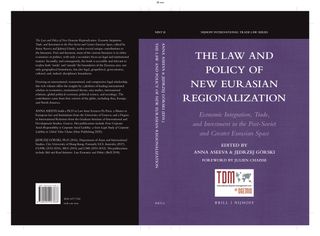
?
EU’s ‘Europeanization’ Policy and Sustainable Development in the Post-Soviet Space
It is often argued that EU’s economic integration efforts in Eastern Europe through the so-called Europeanization (European Neighbourhood Policy (ENP)) are more advantageous to the EU than partnerships properly so called (EU’s Eastern Partnership (EaP) collaborations). But what about the receiving end of such Europeanization? This chapter looks at the impact of a selected Europeanization effort—the Deep and Comprehensive Free Trade Area (DCFTA) between the EU and Moldova on the development of the latter. There is a clear link between the Europeanization framework, within which the policy of extending EU legislation to the post-Soviet states is actively promoted, and the Association Agreement with Moldova. Our analysis of the implementation of Moldova’s economic integration into the EU market highlights not only positive but also several negative trends of this process. In the shorter term, Moldova’s economic, political and social benefits from the DCFTA are far from sustainable, as they are primarily associated with drastic legislative changes, as well as an increase in the export of raw materials and low-tech goods. In the long term, however, the DCFTA provisions bear the potential for the sustainable development of Moldova. Nevertheless, the effectiveness of their implementation depends primarily on solving systemic problems in the country. Against this background, we then offer an analysis of recent transnational disputes over one of the most crucial elements of Moldova’s sustainable development—electricity. In particular, the so far latest ruling in the Energoalians 20 year-long row is essential both for the resolution of future transnational energy disputes under the Energy Charter Treaty (ECT) and for a better understanding of the EU’s attitude towards Moldova and its further European integration.
In book