?
Turksib and Japan
Ch. 5. P. 36–37.
This paper considers the reception of Viktor Turin's documentary "Turksib" (1929) in prewar Japan. By analyzing film reviews published in Japanese periodicals this paper unravels the ways in which Soviet travelogues and documentary cinema influenced Japanese filmmakers and their understanding of cinematic realism.
In book
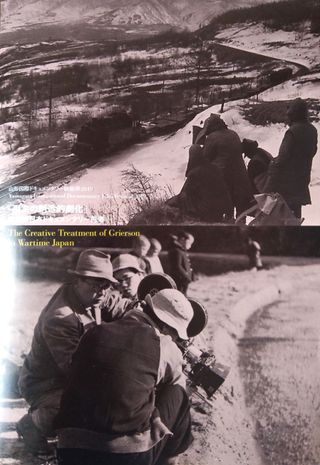
Fedorova A., Gerow A., Nornes M., Yamamoto N., Morita N., Makino M., Okada H., Russell P. Tokyo: Yamagata International Documentary Film Festival, 2019.
Diskin E., Закон 2026 № 1 С. 92–123
In the January Legal Chronicle our authors comment on several significant legal events that happened at the end of 2025: decisions of the Constitutional Court No. 31-P on the payment of dividends on preferred shares, No. 41-P on VAT, No. 46-P on the fate of seized property in bankruptcy cases; discussion in the EU Council ...
Added: September 28, 2026
Горностаева А. Д., Вестник Православного Свято-Тихоновского гуманитарного университета. Серия 1: Богословие. Философия. Религиоведение 2026 № 125 С. 137–144
Book review of Samadi M. Women and Martyrdom in Stalinist War Cinema: Russia’s Eternal Quest for Messianism. ...
Added: September 3, 2026
Tatiana B. Riabova, Liudmila L. Kleshchenko, Вестник Волгоградского государственного университета. Серия 4: История. Регионоведение. Международные отношения 2026 Vol. 31 No. 2 P. 165–177
Introduction. For the first time, the article examines the contemporary Russians’ and Americans’ social views on how the Soviet and US Cold War mass culture represented “us” and “them”. Materials and methods. The article is based on an analysis of data from an in-depth interview conducted in the USA and Russia (n = 27, autumn ...
Added: August 24, 2026
Клещенко Л. Л., Общественные науки и современность 2026 № 3 С. 100–111
The issues of unequal access to nuclear resources and unequal distribution of the burden from the exploitation of the atom today are of interest not only to researchers but also to cinematographers. The purpose of this study is to identify the features of visual representations of the nuclear threat in the cinema in the new ...
Added: August 24, 2026
М.: Государственная Третьяковская галерея, 2025.
Издание подготовлено к выставке, посвященной важнейшей тенденции отечественной культуры начала ХХ века-интересу русских художников к Востоку. Временные рамки представленных на выставке произведений ограничены 1920-1940-ми годами-от командиров агитсостава "Красный Восток" и исследовательских экспедиций Туркестанского комитета по делам музеев и охраны памятников старины, искусства и природы до завершения строительства Туркестано-Сибирской магистрали и первых советских пятилеток включительно. В ...
Added: June 3, 2026
Цунтаева А. Д., Novikova A., Этнографическое обозрение 2026 № 4 С. 122–142
This article analyzes contemporary audiovisual representations of Dagestan culture and demonstrates how documentary filmmakers, bloggers, and journalists reproduce and reimagine approaches to public visual anthropology. Against a backdrop of profound sociocultural transformations, contemporary films capture the tension between collective norms, patriarchal notions of gender roles, and individual strategies of self-definition. The empirical basis of the ...
Added: June 2, 2026
Жигунов А. Ю., Terra Linguistica 2020 Т. 11 № 3 С. 97–107
The Arctic and its development issues become more and more important in the information agenda of the Russian and world media over the past years. The reasons for this increased attention to the region are the activities of main decision makers: authorities, army, business, nature defenders, international organizations, etc., aimed at expanding regional influence, improving ...
Added: April 19, 2026
Рябов О. В., Journal of Cold War Studies 2017 No. 1 P. 193–219
Analyzing Soviet films and film criticism from the late Stalin period, this article shows how Soviet cinematographers exploited gender discourse to produce Otherness. Cinematic representations of U.S. femininity, masculinity, love, sexuality, and marriage played an important role in constructing external and internal Enemies. Cinematography depicted the U.S. gender order as resulting from the unnatural social ...
Added: January 27, 2026
Marchukov A., Юров С. С., Cказочкина П. А., Бизнес и дизайн ревю 2023 № 2(30) С. 104–111
Данная статья посвящена практике применения кинематографа во внешнеполитической деятельности. Опираясь на историко-типологический метод при анализе исторического опыта СССР, США, Германии в сфере публичной дипломатии и пропаганды, авторы выделяют четыре основных подхода к использованию кинематографа в политических целях. Первый из них предполагает обращение к кинопродукции как инструменту повышения узнаваемости национального бренда; второй подход – ориентирован на создание положительного образа страны за ...
Added: February 5, 2025
Aleynikova D. S., Психология человека и общества 2024 № 1 С. 90–99
This study examines the phenomenon of nomophobia in film,
focusing on the movie Nerve and its portrayal of characters with psychological
disorders caused by mobile device addiction. Using content analysis, thematic
problem analysis, and visual analysis within a qualitative methodology, the study
seeks to understand how nomophobia is represented in film and how it affects young
people's behavior and perceptions. ...
Added: January 19, 2025
Fedorova A., Media History 2024 Vol. 30 No. 4 P. 519–536
This paper uses a transmedial lens to examine Japan’s engagement with Soviet film, focusing on the 1933 adaptation of Nikolai Ekk’s The Road to Life (Putevka v zhizn’, 1931) for the Japanese pictorial medium of kamishibai. Challenging an unspoken consensus that it was The Road to Life’s status as ‘the first’ Soviet talkie that accounts ...
Added: October 10, 2024
Fedorova A., Искусство кино 2024 № 5-6 С. 41–50
Фильм А.Куросавы "Идиот"(1951) в его историческом контексте ...
Added: October 4, 2024
Клещенко Л. Л., Латинская Америка 2021 № 8 С. 92–101
The article presents the results of a study of Cuba's cinema images in Soviet and American cold war cinema. The study aimed to compare the ways of representing Cuba in the Soviet and American cinema of this period. Materials for the study were Soviet and American films made in the period 1945-1991. It is shown ...
Added: September 23, 2024
Клещенко Л. Л., Рябова Т. Б., Женщина в российском обществе 2022 № 4 С. 33–47
The article based on an analysis of Soviet mass culture of the 1960s (feature films, documentaries, popular songs) examines the representations of Cuban masculinity and femininity in the context of the Cold war during the 1960s. The authors conclude that the images of men and women, masculinity and femininity have become a noticeable component of ...
Added: September 23, 2024
Afanaseva I., Русанова Н. Л., Обсерватория культуры 2024 Т. 21 № 4 С. 430–446
The Moscow Palace of Pioneers on the Vorobyovy Gory — an architectural monument of Soviet modernism, the most successful and recognizable building of the Thaw period — can be found in many Soviet and Russian films: “The Tale of Lost Time”, “Gimme the Book of Complaints”, “Moscow — Cassiopeia”, “The Way to the Concert”, “Afonya”, ...
Added: September 19, 2024
Мартынов А. В., Диалог со временем 2024 № 88 С. 390–395
The article is devoted to the difficult relationship between Merezhkovsky, Gippius and Chaliapin. Although before emigration the writers had a negative attitude towards Chaliapin’s political views, and also critically assessed his artistic talent and the popularity associated with it, in emigration they sought to organize joint projects. Merezhkovsky wrote the script for a film about ...
Added: September 17, 2024