?
Русский народный характер как «литературный обман» (рассказ А.Ф. Писемского «Леший»)
С. 301–317.
In book
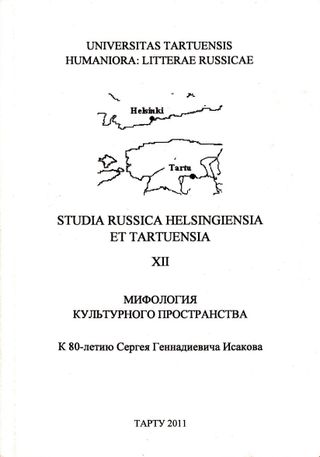
Вып. XII. , Тарту: Tartu University Press, 2011.
Рябов О. В., , in: Meanings and Values of Water in Russian CultureVol. 34.: L.: Routledge, 2016. P. 81–97.
For centuries “Mother Russia” has been one of the most important symbols of Russian culture. This symbol has been formed by various factors, which cannot be considered without analyzing another well-known maternal symbol – “Mother Volga.” Just how popular is the symbol of “Mother Volga” in Russian culture? What traits are attributed to it? How ...
Added: March 29, 2026
Тургенев И. С., М.: Rosebud Publishing, Постмодерн текнолоджи, 2019.
Издания рассказов Тургенева под такой "шапкой" до сих пор не существует, но оно напрашивается, поскольку так называемые "таинственные" повести Тургенева занимают в его творчестве особое место и давно привлекают внимание, хотя не все из них хорошо известны широкому читателю. В сборник включено девять повестей и рассказов, написанных Тургеневым с 1860 по 1882 гг. и посвященных ...
Added: September 5, 2019
Vdovin A., Scando-Slavica 2019 Т. 65 № 2 С. 223–238
The article explores the representation of hybridization of Ukrainian and Russian identity in Alexander Kuprin’s story “Olesia” (1898). Using the concept of “internal colonization” as a nuanced version of postcolonial theory applied to the context of Russian Empire, the author analyzes the hidden motives that are connected to the ethnic groups and stereotypes. The key ...
Added: August 31, 2018
Sarana N., В кн.: Русская филология. 27: Сборник научных работ молодых филологов.: Тарту: Tartu University Press, 2016. С. 82–92.
The article deals with English motives in A. Pisemsky's Thousand souls. It is argued that English motives in the novel is not merely a tribute to social debate on England but the indicator of more sophisticated debate. This question will be looked at from the matter of Pisemsky's reception of Barry Lindon by W.Thackeray. ...
Added: March 9, 2016
Vdovin A., Вестник Московского университета. Серия 9: Филология 2016 № 3 С. 190–206
В статье рассматривается сюжет поэмы Н.А. Некрасова "Коробейники" на фоне сюжетного репертуара прозы 1840-50-х годов. Некрасову могли быть известны два текста, в которых действующим лицом был коробейник - рассказ Е.П. Гребенки "Чужая голова - темный лес" (1845) и "Искушение" В.И. Даля (1848). Если в первом тексте возникает сюжет невинного убиения жениха коробейником (что отразится в ...
Added: March 6, 2016
Vishlenkova E. A., / Series HUM "Humanities". 2014. No. WP BRP 77/HUM/2014.
The article focuses on theoretical aspects of an analysis of visual culture and the national and ethnic imagination throughout the latter part of the 18th century and the first 30years of the 19th century. Social conventions of demonstration and vision are revealed through works of art were issued by mass artistic production, such as paintings, ...
Added: December 12, 2014
Vdovin A., Русская литература 2015 № 1 С. 93–94
В статье публикуется найденное в архиве Гиссенской научной библиотеке неопубликованное письмо А.Ф. Писемского о Т.Г. Шевченко, которое позволяет уточнить историю отношений двух писателей и историю освобождения украинского поэта из ссылки. ...
Added: September 29, 2014
М.: Совпадение, 2013.
The collection includes previously unpublished texts of A. I. Zhuravleva, the historian of Russian literature, and her husband, the poet Vs.N. Nekrasov, mainly reviews on about stage productions of classics (the reviews were commissioned by the All-Russian Theatrical Society); articles on theatre of their friend, M.E.Sokovnin; materials of the conference dedicated to the memory of A.I. ...
Added: July 14, 2013
Vdovin A., В кн.: Con amore.: М.: ОГИ, 2010. С. 65–72.
В статье рассматривается интертекстуальная поэтика знаменитой повести Бунина «Митина любовь». Впервые комментируются незамеченные исследователями отсылки к романам А, Писемского, где есть похожие сюжеты о «падении» и самоубийстве главного героя. ...
Added: October 7, 2012