?
Language policy dynamics in metropolitan Moscow, education and linguistic landscape
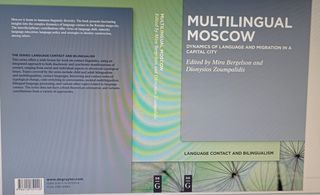
The present chapter focuses on the investigation of linguistic diversityin the multiethnic Russian capital city, Moscow. An attempt is made to captureand explain the dynamic character of multilingualism in a mega-city from a socio-linguistic and socio-historical standpoint. Major historical anchors that point tospecific periods that have contributed to the formation of Moscow’s urban multi-lingual space are outlined. We investigate the role of community-based institu-tions such as supplementary schools as well as heritage language provisions ledby the Moscow Department of Education within the framework of state schoolswith an ethnocultural component for linguistic minority groups. Highlighting thedynamics of urban multilingualism from the perspective of language function, ed-ucation, linguistic landscape and language policy we ask what factors contributeto linguistic diversity and to the dynamics of language/culture maintenance in Moscow.
In book